Having a good credit history is essential for opening doors in the United States. From obtaining a mortgage with a favorable interest rate to accessing credit cards or even securing a job, your credit report plays a crucial role. But are you sure you understand how to read it? In this article, we will guide you step by step on how to interpret your credit report, identify potential errors, and take control of your financial health.
What is a credit report and who issues it?
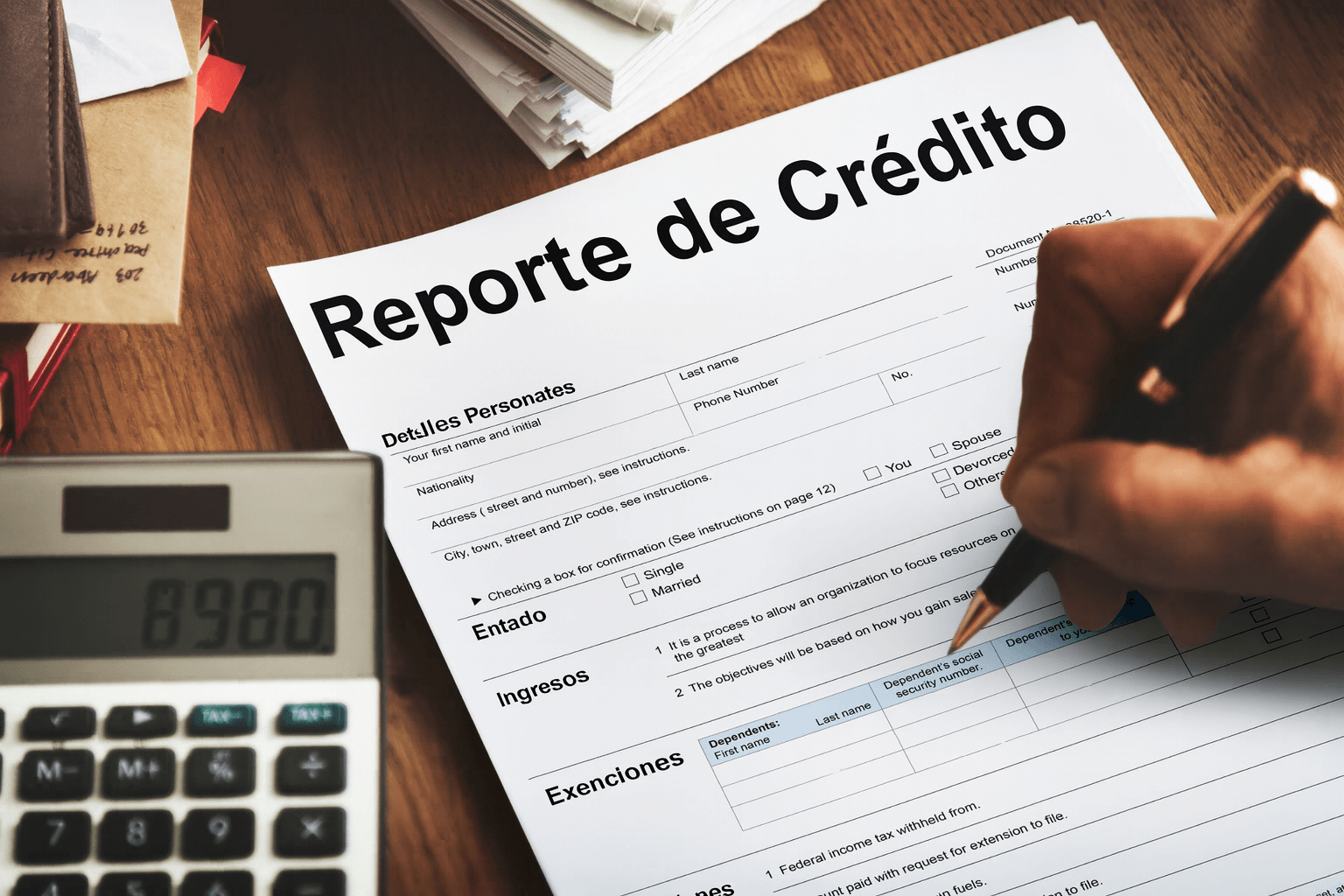
A credit report is a document that contains your complete financial history related to credit. It is issued by the three main credit bureaus in the United States:
-
Equifax
-
Experian
-
TransUnion
These agencies track how you manage debts and payments, providing lenders with a detailed profile of your financial behavior.
What information does a credit report include?
Your credit report is made up of several key components:
Personal information: Your full name, current address, previous address history, Social Security number, and date of birth.
Account summary: Details of your open and closed credit accounts, such as credit cards, personal loans, mortgages, and other lines of credit.
Public records and negative marks: Bankruptcies, late payments, collection accounts, or financial judgments that may affect your credit score.
Credit inquiries: A list of companies or institutions that have reviewed your credit, divided into hard inquiries (which may impact your score) and soft inquiries (which do not affect your score).
How to obtain your credit report
By law, you have the right to request one free credit report per year from each bureau through AnnualCreditReport.com. It is recommended to review all three reports to ensure the information is accurate and up to date.
Parts of a credit report explained
Understanding each section may seem confusing at first, but here is a breakdown to help you review it step by step.
1. Personal information
Check that your name, address, and Social Security number are correct. Any errors in this section could indicate that your information has been mixed with someone else’s or even suggest potential fraud.
2. Open and closed accounts
Verify that the listed accounts actually belong to you. Pay attention to balances, opening or closing dates, and whether accounts are marked as current or late.
3. Negative marks
Look for any collection accounts, late payments, or public records, such as bankruptcy. These negative items can significantly lower your credit score.
4. Credit inquiries
Review hard inquiries, especially if you see any you don’t recognize. Unauthorized inquiries could indicate identity theft.
How to know if there are errors in your credit report
Errors in credit reports are more common than many people think. Here are a few things to check:
-
Are your account balances correct?
-
Do the opening or closing dates match your records?
-
Are there duplicate accounts or accounts you don’t recognize?
-
Are there incorrect negative marks?
These errors can seriously affect your chances of being approved for loans or credit cards.
What to do if you find errors
If you discover errors, don’t worry—you have the right to correct them. The Fair Credit Reporting Act (FCRA) gives consumers the right to dispute inaccurate information on their credit report.
Steps to dispute an error
Clearly identify the error: Make sure you have all the details, including documents that support your claim.
Contact the credit bureau: Submit a dispute directly with Equifax, Experian, or TransUnion. This can be done online, by mail, or by phone.
Follow up: Credit bureaus have 30 days to investigate and resolve your dispute. Keep copies of all documents and communications.
For example, if you find an account listed as late but you always paid on time, you can attach bank statements or letters from your lender as proof.
Take control of your credit today
Understanding your credit report allows you to make informed decisions about your financial future. If you detect errors or simply want to improve your credit score, we are here to help.
At Safe Credit Solutions, we specialize in reviewing credit reports and guiding you through the dispute process, helping you achieve peace of mind and financial confidence.
Contact us today and start taking care of your credit history!